August 23, 2017
Education, Industry, Technical Articles
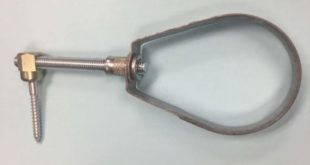
Understanding the Testing Standards What is behind a listing? We know the components are tested, but to what degree? This information can help if an Authority Having Jurisdiction (AHJ) is questioning the loading of an application using a listed support or brace. This article will provide some background of what …
Read More »
August 21, 2017
Industry, Technical Articles
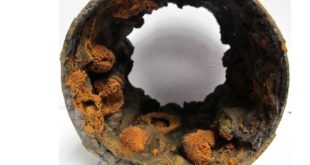
What is Contaminating My Fire Sprinkler System? While microorganisms do not produce unique types of corrosion, they can accelerate corrosion reactions. Microbial action has been identified as a contributor to rapid corrosion of metals and alloys exposed to soils; seawater, distilled water, and freshwater; crude oil, hydrocarbon fuels, and process …
Read More »
August 17, 2017
Industry
Reassessing the Fire Risk of Changing Commodity and Packaging Protecting investments is critical for business owners, risk managers, and insurers alike. We all know how quickly fire can spread and how devastating it can be. At UL, our fire suppression group offers a broad range of experience, expertise, and tests …
Read More »
July 19, 2017
Education, Featured Articles, Industry
… About Apprenticeship In 2008, the Department of Labor, Employment, & Training Administration (ETA) revised the Labor Standards for the Registration of Apprenticeship Programs. Revisions to these standards are uncommon, but this time the ETA got it mostly right. The revisions were intended to promote quality control of training programs, …
Read More »
July 17, 2017
Industry
Coalition Reaches More Consumers and Fire Service In 2016, the Home Fire Sprinkler Coalition (HFSC) completely renovated its website, HomeFireSprinkler.org, better optimizing it for today’s digital age and making it easier for target audiences to find the free home fire sprinkler education resources they need. Now, HFSC is taking the …
Read More »
July 13, 2017
Featured Articles, Industry, Technical Articles
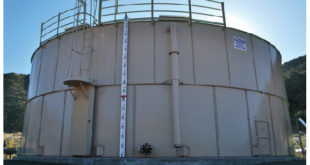
The Right Fit for Fire Protection Over the last 100 years, the methods to store water for fire protection have evolved and become more sophisticated, resulting in superior fire suppression. Modern tanks that store water used for fire protection are very specific and are governed by NFPA 22, Standard for …
Read More »
July 12, 2017
Education, Featured Articles, Industry
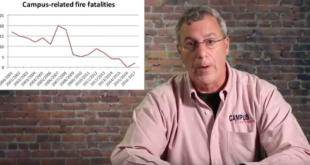
National Campus Fire Safety Month brings together schools and communities to teach college students about fire safety. This September, the initiative turns 13. Every September, education programs are held across the country to teach students about their role in fire safety – how to choose fire-safe housing, whether it is on- or off-campus; how to prevent a …
Read More »
July 11, 2017
Featured Articles, Industry
It is an easy enough phrase to repeat; our thoughts and prayers go out to… In the aftermath of many disasters, there is an armada of people who want to express this sentiment. And, for the record, it is entirely appropriate. For sure, our thoughts and prayers should go out …
Read More »
July 5, 2017
Featured Articles, Industry, Technical Articles
Informal Interpretations Help Douse Disagreements The informal interpretations featured in this issue of Sprinkler Age address NFPA 30, Flammable and Combustible Liquids Code. AFSA’s informal interpretations are provided to AFSA members by Senior Vice President of Engineering & Technical Services Roland Huggins, P.E. and Senior Manager of Fire Protection Engineering …
Read More »
June 30, 2017
Featured Articles, Industry
Look to the Next Generation When Recruiting Millennials are taking over the United States, and if you have seen the stereotypes that exist about our generation, this might make you a bit uneasy – but try to not judge us by our generational labels. The Millennials follow Generation X, born …
Read More »
 Sprinkler Age A Publication of the American Fire Sprinkler Association